foot odor
AUTHOR: Marc Mitnick DPMREVIEWED BY: Podiatric Medical Review Board
home --> foot odor
bromidrosis and hyperhidrosis
WHAT IS FOOT ODOR
Bromidrosis is the medical term for foot odor which is a foul smelling perspiration. This occurs when normally odorless foot perspiration becomes overgrown with decomposing bacteria, thus producing a pungent biochemical waste.
causes of foot odor
No one bacterial species is responsible for the odor with many of the resident (normally occurring on the skin) bacteria capable of producing volatile acids. Isobutyric acid produces a “dirty sock” odor while isovaleric acid produces the “smelly feet” odor. It has been found that athletes foot actually increases the bacteria count and thus worsen the foot odor.
Hyperhidrosis It is estimated that each foot contains over 250,000 sweat glands making the feet the highest concentration for this type of gland. It is this excessive perspiration that leads to foot odor. Excessive perspiration is known as hyperhidrosis. Excessive perspiration of the soles and usually the palms as well affects about one quarter of one percent of the population.
The more common type of hyperhidrosis is idiopathic (unknown origin) which is usually from excessive stimulation of the eccrine or sweat glands. This is a sympathetic nerve response along the lines of “fight or flight”, seen in nervous individuals, again leading to foot odor.
The other type of hyperhidrosis is the pathologic form, which may be the result of diabetes, hyperthyroidism, or even a lesion of the central or peripheral nervous system.
Hyperhidrosis clinically appears as pink moist skin that is cool to touch. The foot is also clammy. Excessive perspiration between the toes results in maceration. Sometimes the hyperhidrosis can be so severe that drops of sweat actually run off the foot; I have seen this a number of times over the years. Along with this the shoes are usually damp, and moldy. It is this type of environment that leads to foot odor.
TREATMENT FOR FOOT ODOR
Management of both foot odor and perspiration go hand in hand. The easiest way to reduce odor is to reduce perspiration.
eliminate foot odor
There are things to do to reduce the odor if you are having difficulty reducing the perspiration. Reducing foot odor tips include:
- Boil a few tea bags in a pint of water for 15 minutes, then pour the water into a foot bath of two quarts of cool water. Soak your feet in this solution for 10-15 minutes. It is thought the tannic acid in tea is the odor neutralizer.
- Simply washing your feet with soap and water each time you bathe. You would be surprised how many people step into a shower and never actually physically wash their feet.
- There are numerous over the counter sprays and powders that will reduce foot odor.
The next thing is to reduce the amount of perspiration. Reducing perspiration tips include:
- In patients where there is a nervous component, if the condition is bad enough, oral anti-anxiety medication may be indicated. You might be wondering why someone would take that kind of medication for sweaty feet; the answer is simple. This type of foot condition, producing foot odor, many times will lead to a secondary fungal infection, which may then lead to a bacterial infection of the foot. Depending on the overall health of the patient, bacterial infections of the foot can be very dangerous.
Additionally, people with a severe case of hyperhidrosis can be affected psychologically. They are essentially embarrassed to be in any situation where they might have to take off their shoes and socks.
- Change your shoes daily so that yesterday's pair has time to dry out.
A mistake many people make is that they come home, take off their sweaty shoes and throw them into the dark, cool closet. Bacteria and fungus thrive in dark moist environments. The inside of the shoe never has a chance to dry out and the following morning is put back on the foot, further aggravating foot odor. A better idea is to leave the shoe by an open window or on a door stoop in order for the inside of the shoe to fully dry out.
- Never wear shoes without socks. This just increases the amount of perspiration.
- Cotton socks which are absorbent, fungistatic and bacteriostatic are a better choice than wool or synthetic socks which retain moisture.
Look for socks which are impregnated with silver as silver has antibacterial properties. If it is possible, changing your socks midday is also recommended.
- Substituting shoes and sandals instead of boots, if possible, is also a good idea.
- Absorbent powder like Zeasorb are useful during the day. Baby powder is not as good.
- Lotions like Bromilotion (Gordon labs), applied in the morning can be helpful.
- 10% formaldehyde lotions which really dry out skin, but this medication has to be used sparingly.
- Charcoal activated innersoles absorb perspiration and can be very helpful.
Believe it or not but there are topical antiperspirants for the feet. Ostiderm Roll-On is one such product. This product is applied twice a day for a week, then once daily and then perhaps every couple of days to keep the feet dry. Depending on how much your feet perspire you may have to experiment with the medication to find a regimen works best for you. Be careful not to over use the product as it will over dry your skin which should also be avoided.
Botox In recent years Botox (botulinum toxin type A) injections have become popular in diminishing perspiration in the feet and hands. The success rate is extremely high but there are a few potential adverse reactions including pain on injection, bruising, with muscle weakness being the main adverse reaction as a reaction to nerve blocks.
Since the treatment involves multiple injections with each injection occurring less than an inch apart, the total amount of injections will ultimately be determined by the size of the foot, thus it is best to have these injections done under anesthesia either intravenous sedation or via local anesthesia around the ankle which will completely numb the bottom of the foot. Each injection is limited to just underneath the skin. If the injections are done too deeply it can cause muscle weakness on the bottom of the foot.
There are contraindications for this type of treatment which include people with peripheral neuro-muscular disease, those with a hypersenitivity to Botox and women who are pregnant.
Once the perspiration is under control the next step is to reduce the bacterial and fungal population of the feet. This is accomplished by using a topical soap that has both anti-bacterial and anti-fungal properties.
factors that aggravate foot odor
Other outside factors tend to promote foot perspiration. Caffeine in coffee, tea and soda stimulates the sympathetic nervous system and thus produces more perspiration. Additionally, many patients are just anxious, nervous individuals causing excessive perspiration. Along with oral medication as mentioned earlier, stress reduction and relaxation techniques may be helpful.
surgery for hyperhidrosis
Reserved for severe cases of hyperhidrosis, a procedure known as endoscopic lumbar sympathectomy (ELS) has been developed. This is a procedure where the nerves in the lumbar region of the back, specifically L-3 or L-4, are clamped off thus reducing nerve stimulation to the sweat glands on the bottom of the feet. This is a very specialized procedure which should only be performed by an experienced surgeon. It can be done on an out-patient basis.
In a study over a four year period, 154 patients underwent ELS for hyperhidrosis of the feet. Of that group 97.4% reported improvement labeled as a "cure". Complications included having to convert to an open procedure, neuralgia (inflammation of the affected nerves), temporary recurrence of foot sweating, revision and reversal of surgery.1
Warts also have a tendency to spread more rapidly in excessively moist skin.
1 Severe Plantar Hyperhidrosis: an Effective Surgical Solution
Reisfeld R, Paternack GA, Daniels PD, Basseri E, Nishi GK, Berliner KI (The Center for Hyperhidrosis, Los Angeles, CA: Private Practice, Los Angeles< CA; Private Practice, Beverly Hills, CA; Marina del Ray, CA)
Am Surg. 2013 Aug;79(8):845-853
REFERENCES
American Academy of Dermatology
Want more information? CLICK HERE
Specific Recommendations For This Condition
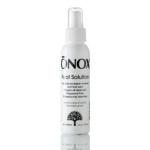
ONOX-foot solution spray-once daily spray, after shower, keeps feet dry and reduces odor. Particularly effective for those with habitual fungus and those with resistant warts. (available from a third party)


Recent Articles


-
Vitamin D impact on health
Feb 06, 23 07:17 PM
Researchers are suggesting that the effectiveness of Vitamin D in fighting and preventing disease is predicated on a persons body mass index (BMI). The thinner the person the greater the positive impa… -
Foods to speed up healing
Feb 01, 23 02:41 PM
One of the best ways to help yourself heal faster after surgery is to eat well. Getting the proper nutrition will provide your body with the essentials it needs to promote healing. Here is a suggestio… -
Cancer and Type 2 Diabetes
Jan 25, 23 04:52 PM
An article revealing that older type 2 diabetics have a higher incidence of cancer then non-diabetics. It is suggested that cancer may surpass CVD as the number one cause of death in older diabetics. -
Does glucosamine or MSM reduce arthritis pain?
Jan 22, 23 01:41 PM
A good review of the possible benefits to taking glucosamine, chondroitin or MSM for arthritis. Always beware of the possible side effects of over the counter supplements. -
shin splints
Jan 18, 23 05:12 PM
A great review on the various causes of shin splints, along with treatment options. -
Whats new in skin cancer?
Jan 15, 23 08:32 PM
A presentation of newer skin protection combinations in an effort to better protect the skin from the hazards of sun exposure. -
Causes and risk factors of warts
Jan 14, 23 05:02 PM
A good review of the causes of warts and protective measures you can take to prevent developing them. -
Do chronic wounds need to be dressed daily?
Jan 11, 23 02:18 PM
Because of supply chain shortages as well as staffing shortages particularly during the pandemic, many institutions extended the time between dressing changes for chronic wounds. Is this really the be… -
Food choices that raise your risk of type 2 diabetes
Jan 08, 23 10:07 AM
A good review of how blood sugars can become elevated and the harm that can do. Certain food groups have a tendency to raise your blood sugars and should be avoided. -
Outcome stats from Scarf bunionectomy
Jan 03, 23 03:04 PM
The Journal of Foot and Ankle Surgery recently reported a meta analysis of outcomes in 1583 Scarf bunionectomies that met their inclusion criteria. Adverse events did not seem to be any better or wors…
